February 20, 2026


For many foodservice operators, energy costs feel like an unavoidable expense—something to budget for, monitor loosely, and accept as the cost of doing business. But in reality, utility bills often hide deeper operational problems that go unnoticed until margins tighten or equipment fails.
Your equipment is constantly generating signals about how it is being used, how hard it is working, and where energy is being wasted. The challenge is not a lack of data—it is visibility.
When operators learn how to listen, energy data becomes one of the most powerful tools for uncovering inefficiencies that affect both costs and performance.
Most operators rely on high-level energy reporting—monthly utility bills, building-level meters, and year-over-year cost comparisons.
While helpful for budgeting, these views do not explain why energy use changes or which assets are responsible.
When energy monitoring stops at the building level, operators miss critical questions: Which equipment is running longer than necessary? Which locations are outliers compared to the rest of the fleet? Are energy spikes tied to operational behavior or failing equipment? Is excess energy use costing money and accelerating wear?
Without equipment-level insight, inefficiencies stay invisible.
When operators can see how individual assets consume energy in real time, patterns emerge quickly—and often unexpectedly.
Equipment Running When It Should Not Be
Units Working Harder Than Necessary
Inconsistent Performance Across Locations
Energy inefficiency impacts more than utility bills. It affects equipment lifespan as overworked units fail sooner, maintenance costs as reactive repairs replace proactive service, operational consistency as struggling equipment leads to inconsistent food quality, and sustainability goals as waste undermines environmental initiatives.
For operators already navigating labor challenges and rising food costs, hidden energy waste quietly erodes profitability.
The value of energy data is not in collecting it—it is in using it to make smarter operational decisions.
With the right visibility, operators can set alerts for abnormal energy spikes, identify underperforming equipment before it fails, adjust operating schedules based on real usage, prioritize maintenance where it delivers the most impact, and compare performance across locations to drive consistency.
For restaurant operators, this level of insight helps balance food quality, speed of service, and cost control—without adding more manual oversight.
Learn how we help restaurant teams gain this visibility.
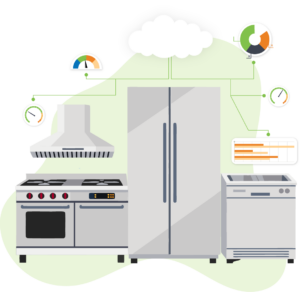
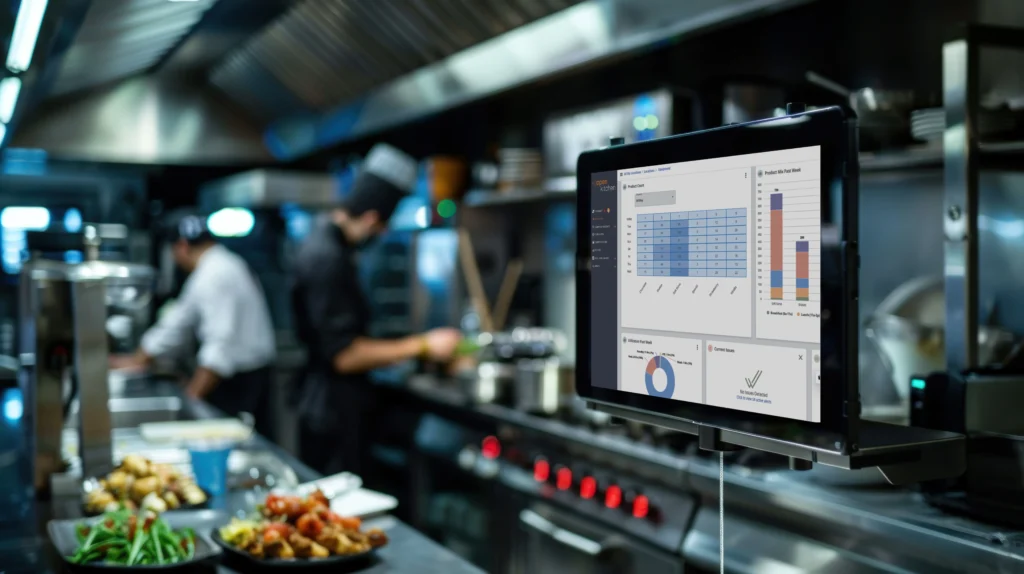
The Open Kitchen® platform connects directly to commercial kitchen equipment, providing real-time insight into performance, runtime, and energy use.
Operators can monitor energy consumption at the equipment level, identify abnormal behavior that signals inefficiency or risk, compare energy trends across locations and brands, tie energy use directly to operational behavior, and take action before inefficiencies turn into failures.
For brands operating across foodservice and retail formats, this visibility becomes even more powerful. A unified platform helps teams understand how energy use impacts both kitchen operations and customer-facing environments.
Learn more about how the platform supports retail-focused operations.
Energy data is not just about lowering utility bills. It is about understanding how your equipment is actually performing—day in and day out.
When operators stop treating energy as a fixed cost and start using it as an operational signal, inefficiencies become opportunities. Costs go down, equipment lasts longer, and teams gain clarity instead of guesswork.
Ready to uncover what your equipment is telling you? Request a demo and talk to our team.