November 10, 2026


Two security stories in October showed why protecting connected kitchen equipment matters. Here’s what happened, and how Open Kitchen handles the same kinds of risks.
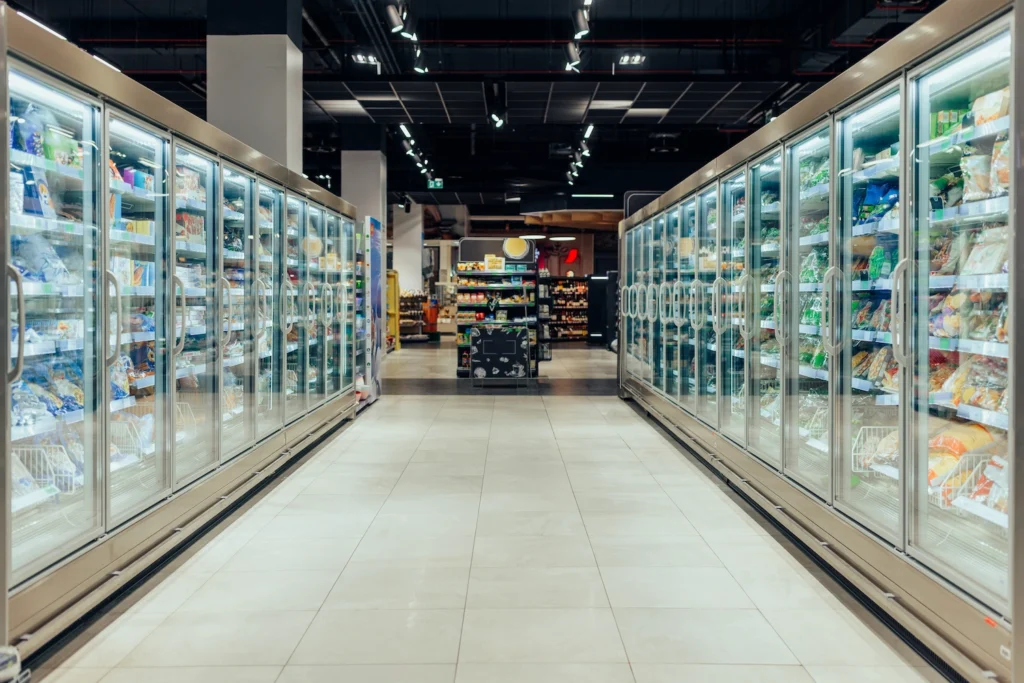
The supermarket freezer attack
Overnight on October 11-12, attackers broke into refrigeration controllers at hundreds of French supermarkets and forced them to heat up. Cabinet temperatures rose to about 50°C (122°F), and a lot of food was lost. The controller maker, Danfoss, says the affected systems ran outdated software. French authorities are still investigating, and the exact way in hasn’t been confirmed.
The lesson: in a connected kitchen, the equipment itself can be a target.
How Open Kitchen is built to avoid the same problems
Fixing problems fast
Also in October, the makers of three widely used pieces of server software released urgent security fixes, and attackers quickly began taking advantage of some of the flaws before all websites could close the security gaps. Here’s how we responded:
Security is a habit
No connected system is risk-free. What October showed is that good security comes down to routine: strong sign-ins, no open doors to the internet, retiring outdated connections, and fast updates. We keep watching for new warnings and install updates under our regular process. For restaurants and retailers who count on connected equipment to protect food, uptime and guests, that routine is part of what Open Kitchen delivers.

